Rethinking Cancer: Inside Thomas Seyfried’s Lab
A few weeks ago, my dad, my son and I had the opportunity to visit Professor Thomas Seyfried and his research team at Boston College. Three generation road trip, Jacob, Ralph and Ben Moss. We’ve...


A few weeks ago, my dad, my son and I had the opportunity to visit Professor Thomas Seyfried and his research team at Boston College. Three generation road trip, Jacob, Ralph and Ben Moss. We’ve...

This diagnosis-specific guide explains current evidence on standard treatments, including benefits, risks, side effects and key questions to ask your doctors. It is based on independent research...
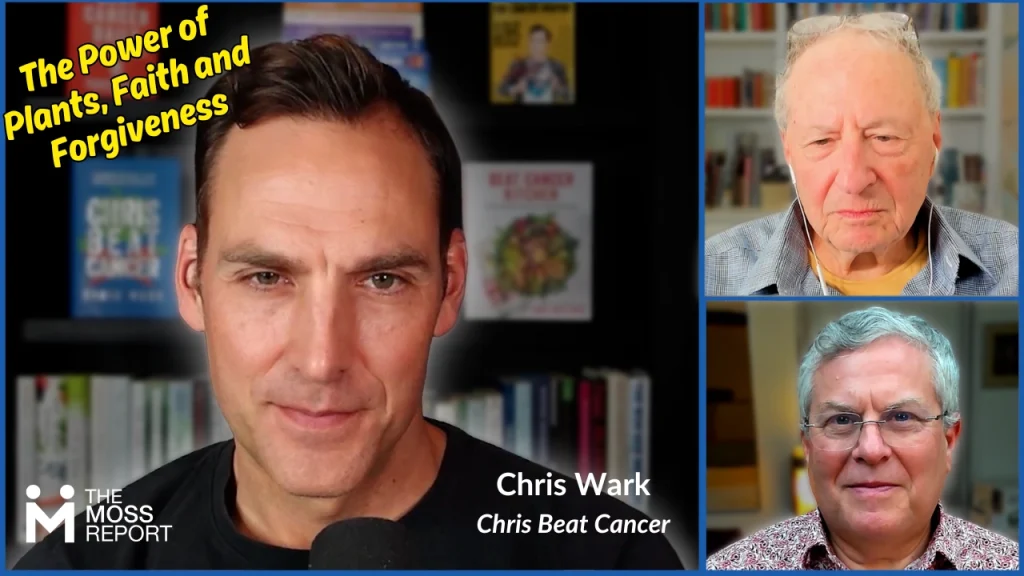
Chris Wark, founder of Chris Beat Cancer, is a long-term cancer survivor and author. In this episode, he sits down with Ben Moss and Ralph W. Moss, PhD to share the story that launched his work....

Milk thistle (Silybum marianum) is a common plant of the daisy family that has been used for centuries as a remedy for liver ailments. Its reputation goes back at least to the classical world....

According to U.S. government sources, about half of all Americans, including 70 percent of seniors, take a multivitamin or mineral pill to supplement their food intake (Gahche 2017). But this...
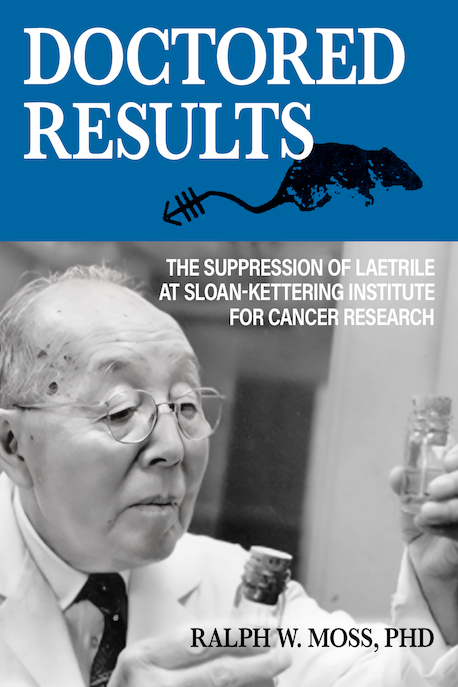
By Ralph W. Moss, PhDFormat: 242 pages | Publication date: 2014 Doctored Results is a gripping exposé of one of the major scientific scandals of the 20th century. The book provides an...

100 Trillion Reasons Your Gut Matters Why do some people respond to immune treatment for their cancers, while others get no effect? A lot of people are spending a lot of money on these “hot” new...

Dogs, like this Labrador Retriever, can sometimes detect cancer. Diagnostic Accuracy Can dogs detect cancer? In 2006, acupuncturists at the Pine Street Clinic, St. Anselmo, CA, published a...

Dr. James P. Allison won the 2018 Nobel Prize in Medicine for his application of Immune Checkpoint Inhibitors to treat cancer. With impressive results and widespread use throughout oncology, he...

EGCG and CSCsScientists from the Baylor Research Institute, Dallas, Texas shed some light on the question of concurrent use of antioxidants and chemotherapy. The authors of an important article...

Melatonin and IrinotecanA clinical study, in the journal Anticancer Research, supported the use of the antioxidant hormone melatonin along with chemotherapy. Scientists randomized patients to...

A Very Important Concept One theory of cancer that has great importance is the concept of the cancer stem cell (CSC). A consensus panel of the American Association for Cancer Research (AACR) has...

Frozen in Time One of the oddest facts about the “new” treatment of cryoablation is that it is over 150 years old! A mid-nineteenth century surgeon, James Arnott (1797-1883), began using cold to...

A Chilling Discovery Cryoablation (sometimes called cryosurgery) is a technique to destroy diseased tissue by applying probes at extremely low temperatures. It is not “surgery” in the...

Hyperthermic Intraperitoneal Chemotherapy (HIPEC)Dutch scientists reported beneficial results using hyperthermic intraperitoneal chemotherapy (HIPEC), a heated form of chemotherapy that is...

What is Hyperthermia Treatment for Cancer?Clinical hyperthermia is the application of heat to the treatment of disease, in this case, cancer. The forms of electromagnetic energy that have been...

Fever as Medicine Whole body hyperthermia (WBH) is a technique for heating the entire body in an effort to kill both primary and metastatic cancer cells. While there are hundreds of articles on...

Significant association between tumor mutational burden and immune-related adverse events during immune checkpoint inhibition therapies Authors: Csaba Kerepesi Tibor Bakacs Ralph W. Moss Shimon...

Directed Delivery There are a set of treatments that are neither surgical nor radiological, yet do a very efficient job of efficiently removing the tumor from the body. They are called “ablative...

Does this “Wonder Drug” still hold promise? Interleukin-2 (IL-2) is a substance formed naturally in the body by what are called activated T cells, a kind of white blood cell. In a semi-synthetic...

Harnessing the Immune SystemThere is growing interest in the possibility of harnessing the immune system in the service of fighting cancer. In recent years, much attention was focused on the...

Strength in NumbersA low lymphocyte count (lymphocytopenia) was seen in 28% of patients about to receive chemotherapy for colorectal cancer. Patients were randomized to receive interleukin-2...

A Revolution in Cancer Therapy “Treatment of cancer has been revolutionized by immune checkpoint blockade therapies.” —Moshe Sade-Feldman, et al. Mass General Hospital, Boston “Cancer biologists...

DCA Therapy Relies on The Warburg EffectAn article once appeared in the magazine New Scientist, under the heading “Cheap, safe drug kills most cancers.” The drug in question was dichloroacetate...

Measuring the Uptake of GlucosePositron emission tomography (PET) scans, using a tracer drug called FDG, detect the presence, and measure the virulence of cancerous growths. Since about 90% of...

The Case for Warburg Despite huge inconsistencies in the dominant “somatic mutation theory” https://www.karger.com/Article/Fulltext/443106 of cancer, the majority of scientists remain focused on...

Cut off Blood Supply and Inject Sponge Particles A technique for tackling liver metastases has been to cut off the blood supply to the tumor by physically blocking the hepatic artery’s flow. This...

More Activity Means Fewer Recurrences – Study ShowsThere was a study of 832 patients with stage III colon cancer enrolled in a trial of adjuvant (postoperative) chemotherapy. Patients reported on...

An Essential Part of an Anticancer Program At one time, it was thought that cancer patients needed a lot of rest, preferably in bed. The idea that exercise could help cancer patients was the...

May Reduce the Risk of RecurrenceAt the present time, it is increasingly apparent that one of the world’s most common drugs, aspirin, can also have a powerfully retardant effect on cancer,...

The Use of COX-2 Inhibitors is in DoubtThe FDA approved the use of celecoxib (Celebrex®), one of a class of so-called COX-2 inhibitors, which is used in the treatment of rheumatoid and...

Unexpected Developments and DangersOne of the most unexpected developments of recent years has been the emergence of aspirin (acetylsalicylic acid) as a cancer preventative. The idea of using...

Protein from Bacteria Shrinks Tumors Researchers at the University of Illinois at Chicago (UIC) have isolated a protein secreted by bacteria that effectively kills cancer cells. When tested...

Reflections on ASCO 2005 I have just returned from the 41st annual meeting of the American Society of Clinical Oncology (ASCO). Twenty-five thousand oncologists converged on Orlando, Florida,...

“A Promising Form of Cancer Therapy” - Dr. Song New support for Newcastle Disease Virus (NDV) vaccine has come from Memorial Sloan-Kettering Cancer Center (MSKCC) in New York. This summer Kyo...

Newcastle Virus Deserves Attention One experimental cancer treatment that has not received the attention it deserves is the Newcastle Disease virus (NDV) vaccine. In the US, this treatment,...