Liver Cancer (Primary/HCC) Treatment Guide
This diagnosis-specific guide explains current evidence on standard treatments, including benefits, risks, side effects and key questions to ask your doctors. It is based on independent research...


This diagnosis-specific guide explains current evidence on standard treatments, including benefits, risks, side effects and key questions to ask your doctors. It is based on independent research...

Big Battle Brewing Drinking coffee cut the risk of colorectal cancer recurring in half. In a big study, 953 patients with stage III cancer kept a detailed record of their food and drink intake....
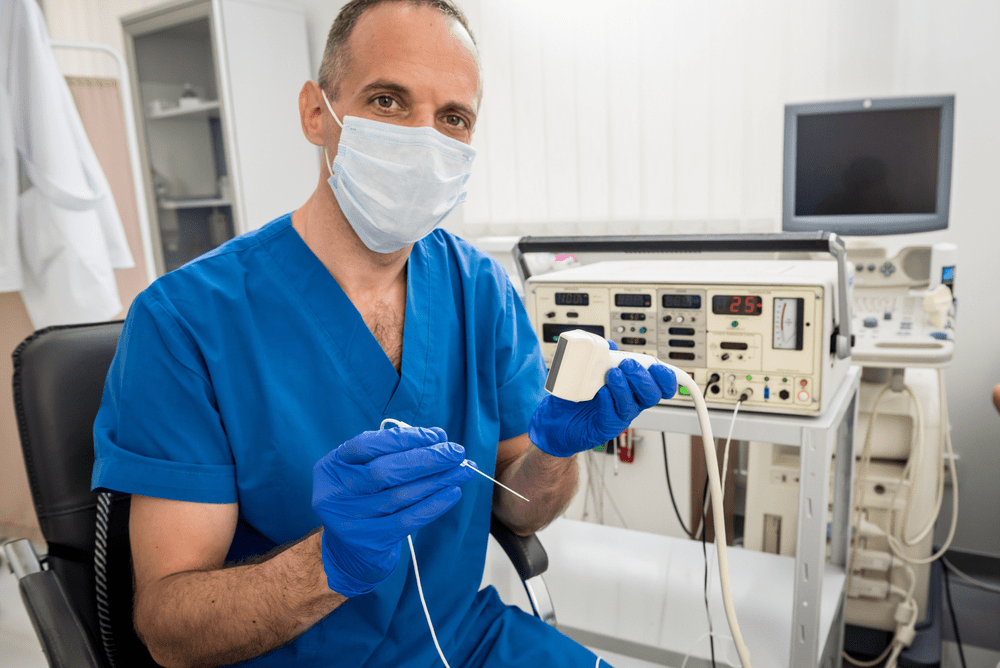
RFA Induces Cell Death Radiofrequency ablation (RFA) is a minimally invasive technique for removing, or ablating, tumors. RFA induces cell death by what is technically called “thermal coagulative...

For the first time, I have had an op-ed piece published in the Sunday New York Times. (It can be viewed at: https://www.nytimes.com/2007/04/01/opinion/01moss.html.) [pda_pdf_viewer id=539282...

An Object Lesson An internist at a small military hospital in South Carolina created a sensation in December when he claimed that the unconventional drug hydrazine sulfate caused massive liver...

Fat-Soluble Nutritional Factor Coenzyme Q10 (CoQ10) is a fat-soluble nutritional factor, similar to a vitamin. It is normally found in most cells, mainly in the energy-generating bodies called...

Antibiotic and Immune-Modulating Properties Garlic (Allium sativum) is a plant whose edible bulbs contain flavonoids and sulfur-containing compounds: diallyl sulfate, alliin, ajoene, and,...

An Urban Myth? I was recently told by one of my phone consultees that he was taking a purée of asparagus as a treatment for his prostate cancer. For 35 years, I have been hearing about the...

A Potent Antioxidant In a randomized controlled trial (RCT) from the Department of Epidemiology, the University of North Carolina, drinking just one can (5.5 ounces) per day of the vegetable...

The Flower Bud of a Large Thistle I purchased two extraordinary-looking globe artichokes and incorporated them into a family dinner. This got me thinking about the various health properties of...

“Targeted” therapies are those drugs that attack specific molecules present in or around cancers. These are mostly classified as “kinases.” This type of therapy tries to avoid the indiscriminate...

The Abscopal Effect and Immune Resistance It is sometimes asserted, as a matter of dogma, that a local treatment cannot have any systemic effects. However, sometimes damaging or removing a tumor...

Primary Signs The liver is the central headquarters for the maintenance and cleansing of the blood. It is provided with an extremely rich blood supply. In essence, the liver can be conceived of...

Is HIFU an Effective Alternative to Surgery? According to the Focused Ultrasound Foundation, High Intensity Focused Ultrasound (HIFU) is a revolutionary technology that could help treat “diseases...

Cut off Blood Supply and Inject Sponge Particles A technique for tackling liver metastases has been to cut off the blood supply to the tumor by physically blocking the hepatic artery’s flow. This...

HEPATIC ARTERIAL INFUSION (HAI) Hepatic arterial infusion (HAI), also known as intrahepatic artery perfusion (IAP), is a form of regional chemotherapy. It is a way of avoiding the general...

Directed Delivery There are a set of treatments that are neither surgical nor radiological, yet do a very efficient job of efficiently removing the tumor from the body. They are called “ablative...

A Healthy Immune System is Primed One thing that almost all cancers have in common is that they are related to the immune system. A healthy immune system is primed to attack ”non-self” as opposed...

Killing Cancer Cells via Thermal Coagulative NecrosisRadiofrequency ablation (RFA) is a minimally invasive technique for removing, or “ablating,” tumors. RFA induces cell death by what is called...

Studies on Antioxidants and the Spread of Cancer There is considerable research on the effect of various antioxidants and the spread of cancer (metastases). Most of this points to a preventative...

Frozen OutCryosurgery (also called cryoablation) is a technique that destroys tumor tissue through the application of subzero temperatures. This is a promising and less toxic way of destroying...

Frozen in Time One of the oddest facts about the “new” treatment of cryoablation is that it is over 150 years old! A mid-nineteenth century surgeon, James Arnott (1797-1883), began using cold to...

ROSE BENGAL (PV-10®) One of the most unusual drugs in development for liver cancer is called “PV-10.” This is a 10% solution of a dye called “rose bengal.” Rose bengal already has a role in...

Coffee is a healthful habit that helps prevent some kinds of cancer. And Italian-style coffee in particular may prevent cancer of the prostate gland. As a rule, coffee gets a bad rap in medical...